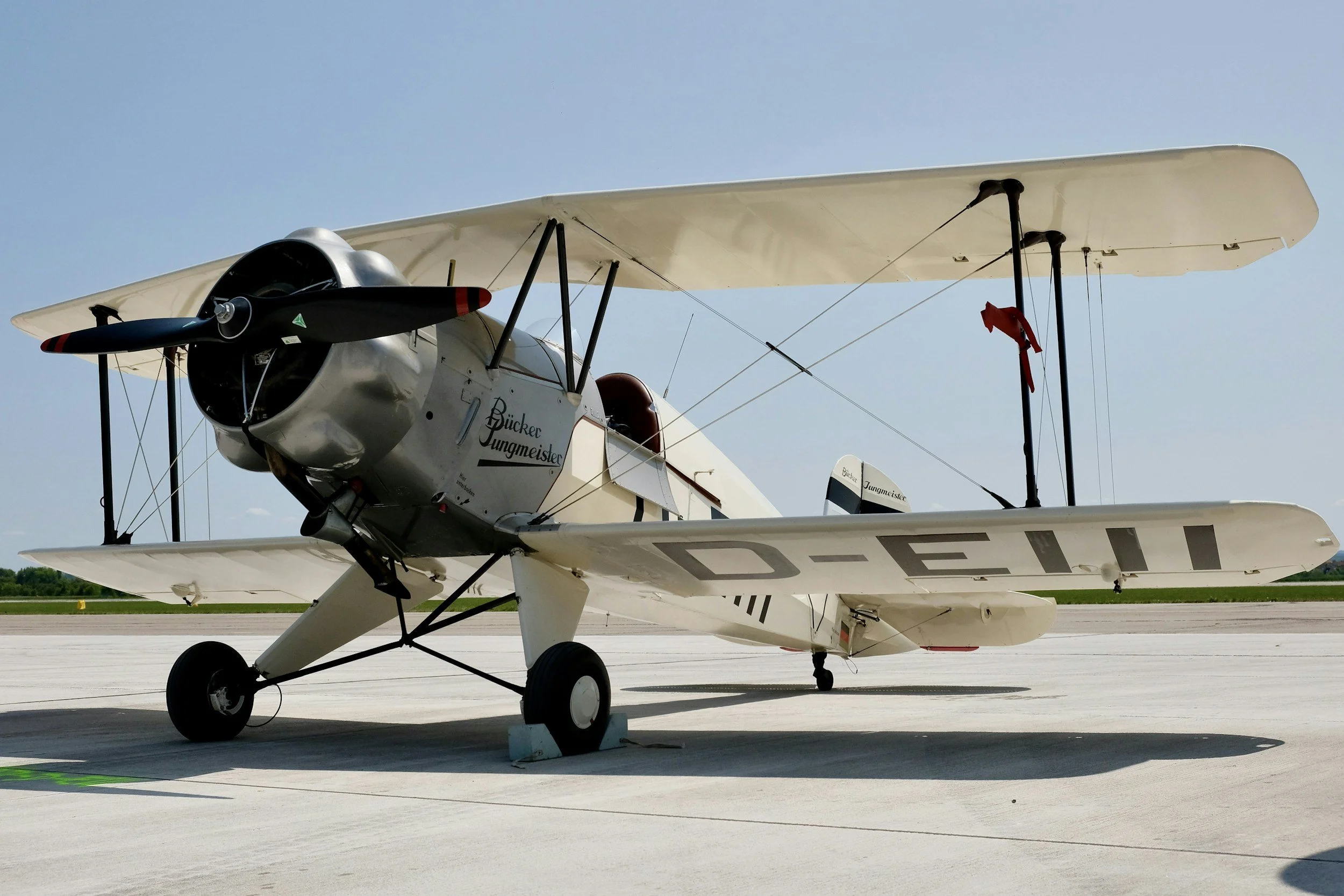
What’s a Tailwheel aircraft?
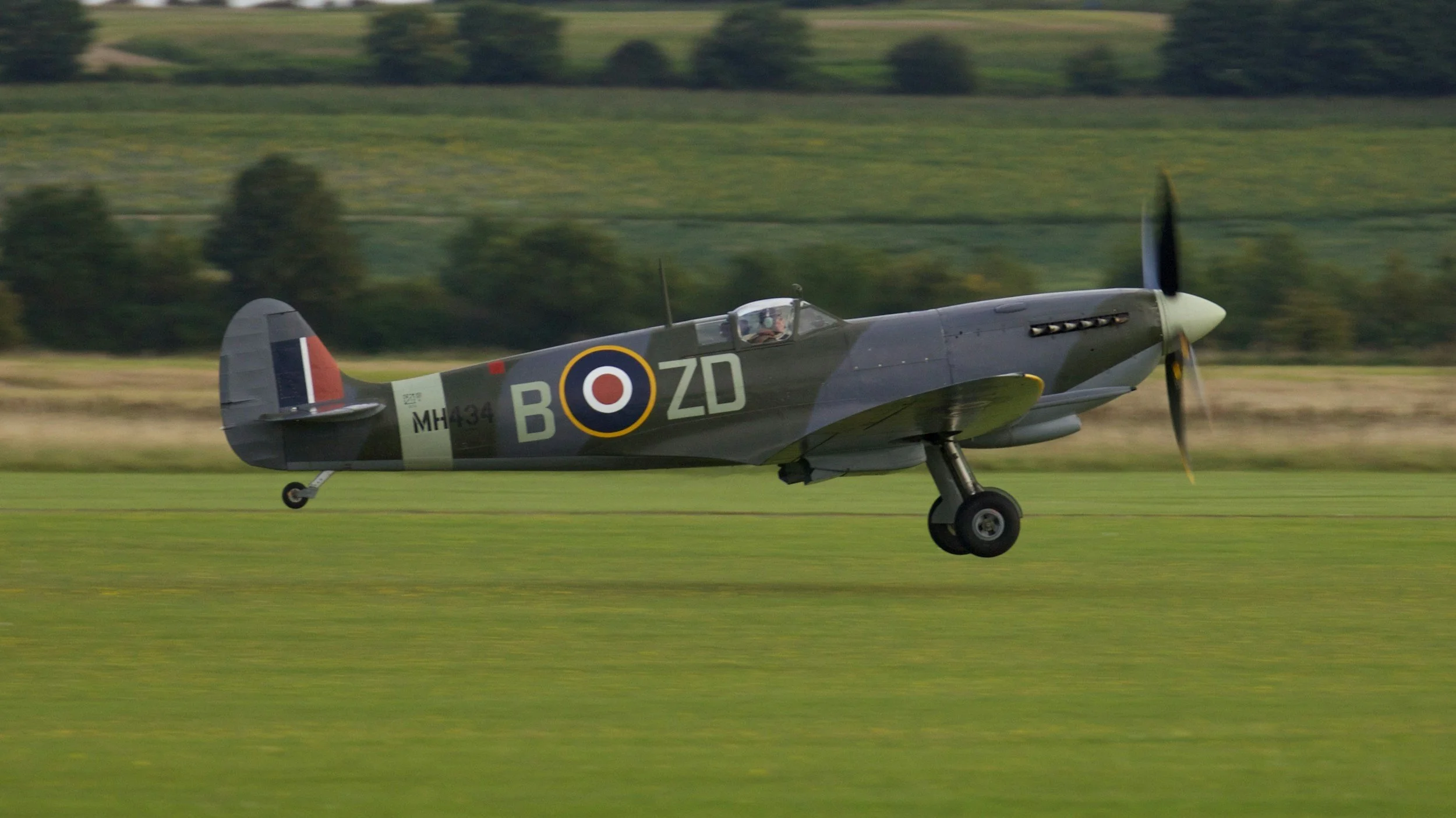
What’s a tailwheel aircraft?Sometimes called ‘taildragger’ or more correctly having ‘conventional landing gear’, these aircraft have two main wheels forward of the centre of gravity of the aircraft and a smaller wheel, or sometimes a ‘skid’ at the rear. Until the mid-20th century, this was the default design for most aircraft. Think Spitfires, Dakotas, Tiger Moth or Chipmunks.
The majority of modern aircraft and especially training aircraft have with ‘tricycle’ undercarriage i.e. two main wheels aft of the centre of gravity and a nosewheel – think Piper PA-28, (most) Cessna 150, Boeing 747!
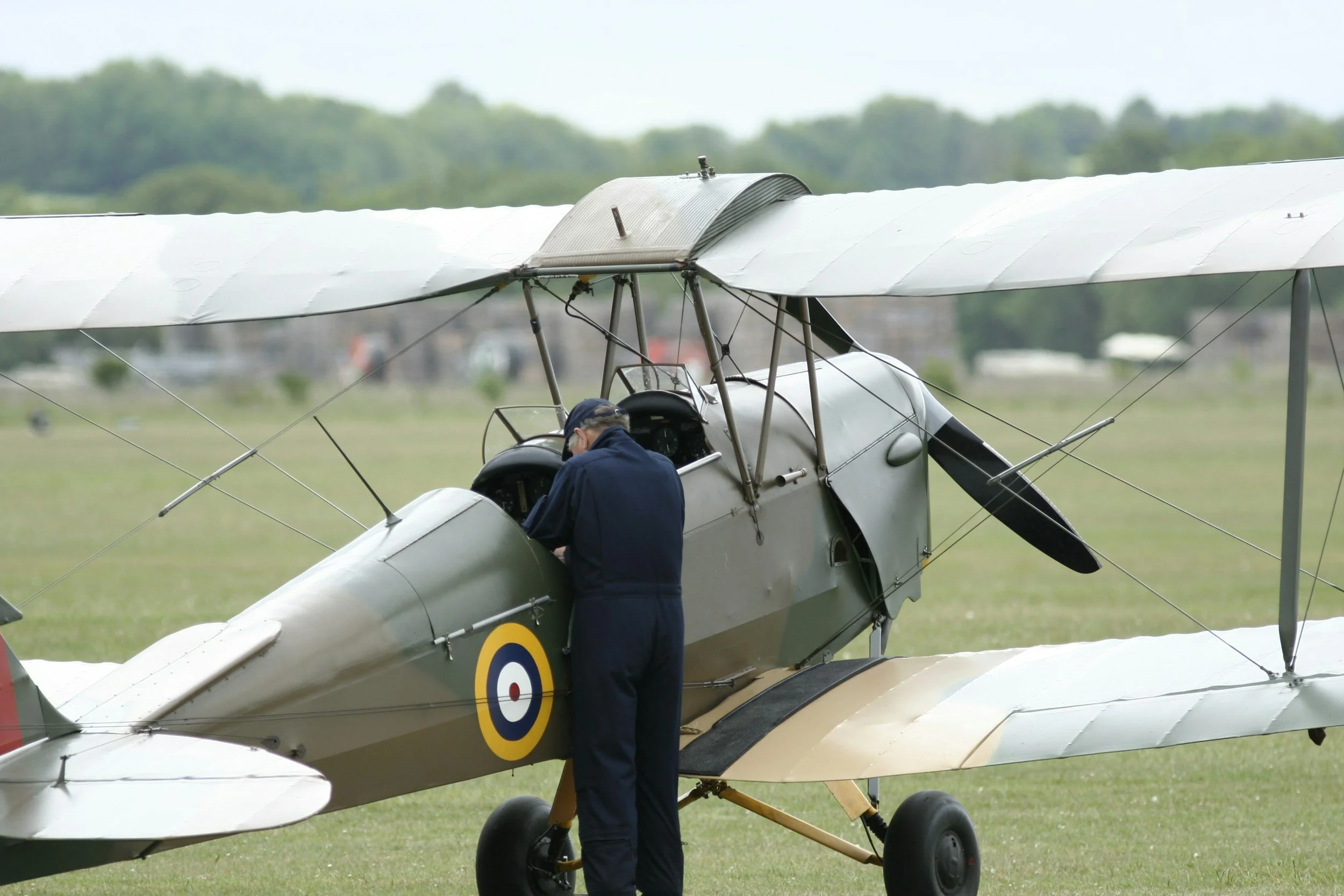
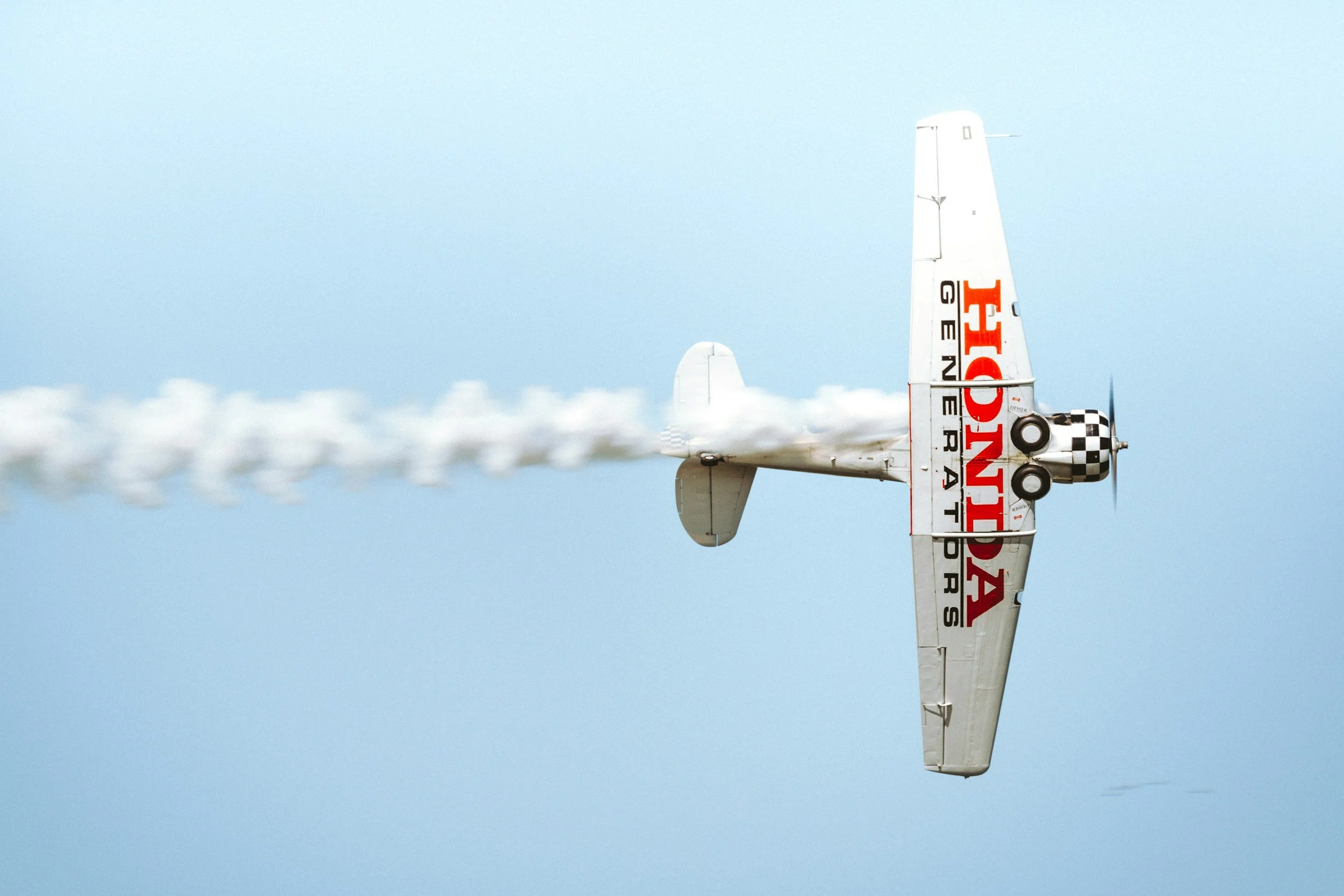
What’s the difference in learning to fly in a taildragger compared to nosewheel?Most people who learn to fly today, so called ab-initio, do so in nosewheel (tricycle geared) aircraft as they are more forgiving to fly than taildraggers, especially in cross-wind conditions. Sounds good? Maybe, but this means that taildragger pilots have to be more accurate in their flying – not a bad skill to have!
It would be easy to dismiss learning to fly from ‘scratch’ in a taildragger, after all, surely, it’s better to go for the easy option? Perhaps, but don’t forget, if you’ve never flown an aeroplane before, then it’s all challenging at the beginning and you will simply develop the correct skillset as you progress through your training. If you want to then convert to nosewheel planes, you’re likely to find this a very simple transition and you’ll be very competent in challenging crosswinds.
What if I’ve already got a PPL in a nosewheel plane?The majority of pilots who currently fly taildraggers learned to fly in a nosewheel aircraft and then converted across and doing so is a great way to expand your skills and keep your flying interesting.
Flying taildraggers requires greater accuracy from the pilot than a nosewheel plane. You will develop a much keener awareness of crosswinds and how to handle them safely.
How long does it take to convert to tailwheel?On average it takes a minimum of 5 hours to convert to tailwheel, although the exact timeframe will depend on you and your previous experience. The first step to flying a tailwheel starts with a comprehensive classroom briefing from your instructor to explain and understand the differences between the geometry of the aircraft. Once you understand the concepts involved, you start to fly the plane.
What then?Then a whole new world of flying opens up to you! There are thousands of different taildragger models, ranging from modern sports planes, custom or homebuilt planes to vintage planes, including spitfires, Lancaster Bombers, Tiger Moths and Stearman. There are STOL (short take-off and landing) planes and bush planes with huge tyres. The list goes on….Each of these different aircraft offer new experiences and challenges and give you endless opportunities to grow and develop your flying and have a huge amount of fun while doing so!